

Entering your 50s is a powerful milestone, but it often brings noticeable shifts in how your skin behaves. Due to hormonal changes—specifically the drop in estrogen during menopause—women often experience a rapid loss of collagen, increased dryness, and a thinning of the skin barrier. Understanding these biological shifts is the first step in selecting the best anti-aging skincare products for women over 50 that actually deliver results.
Disclosure: As an Amazon Associate, we may earn a commission from qualifying purchases made through links on this page. This never affects our recommendations.
While we cannot stop the clock, modern dermatology offers incredible tools to support mature skin. The goal is no longer just about ‘fixing’ wrinkles; it is about nourishing the skin, restoring its resilience, and achieving a healthy, radiant glow that reflects your inner vitality. By focusing on high-quality ingredients like retinoids, hyaluronic acid, and vitamin C, you can create a regimen that respects your skin’s changing needs.
In this comprehensive guide, we will break down the essential components of a mature skincare routine, from the science of collagen depletion to the specific product categories that deserve a spot on your vanity. Whether you are looking to refine your current habits or start from scratch, here is everything you need to know about caring for your skin in your 50s and beyond.
Understanding the Biology of Mature Skin
To choose the right products, you must first understand what occurs beneath the surface after age 50. During the first few years of menopause, women can lose up to 30% of their skin’s collagen. Collagen is the structural protein responsible for firmness; without it, skin begins to sag and fine lines deepen into permanent wrinkles. Additionally, the production of natural oils (sebum) decreases significantly, leading to chronic dryness and a compromised moisture barrier.
Furthermore, the rate of cellular turnover slows down. In your 20s, skin cells might renew every 28 days; by your 50s, this process can take 45 to 60 days. This buildup of dead skin cells often results in a dull, lackluster complexion. When searching for the best anti-aging skincare products, look for formulas that specifically target these three pillars: collagen support, deep hydration, and gentle resurfacing.
The Role of Hormones in Skincare
Estrogen plays a vital role in maintaining skin thickness and moisture. As levels decline, the skin becomes more susceptible to environmental damage and dehydration. This is why many women find that products they loved in their 40s no longer provide enough nourishment. Transitioning to richer, lipid-heavy creams and potent serums is often necessary to compensate for these physiological changes.
The Essential Morning Routine for Women Over 50
A morning routine for mature skin should focus on protection and hydration. Since your skin is more vulnerable to UV damage and pollution than it was in your youth, antioxidant therapy is essential. Start with a non-foaming, creamy cleanser that removes overnight impurities without stripping the skin of its essential lipids.
Following cleansing, apply a Vitamin C serum. Vitamin C is a powerhouse antioxidant that brightens the complexion and protects against free radical damage. For women over 50, look for formulations that include Vitamin E or Ferulic Acid, which stabilize the Vitamin C and provide extra moisture. This layer acts as a safety net under your sunscreen, neutralizing the environmental stressors you encounter throughout the day.
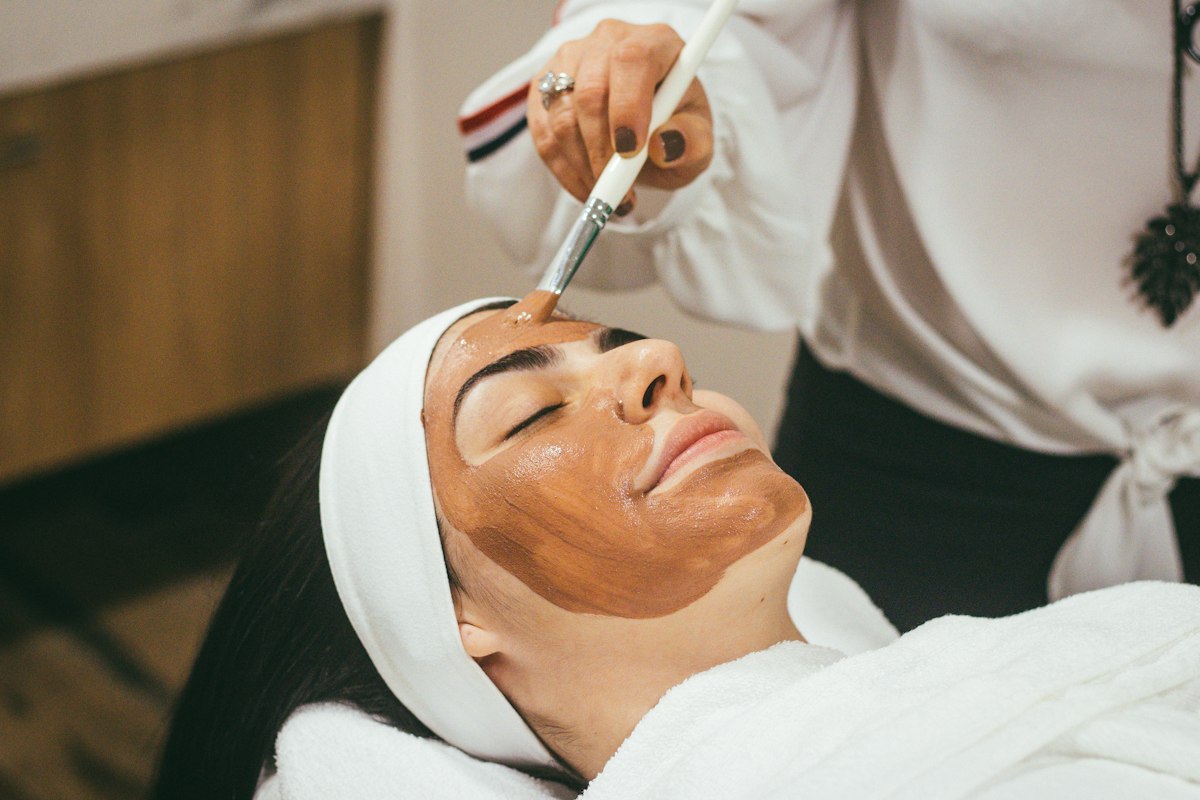
Hydration and Sun Protection
After your serum, apply a moisturizer containing hyaluronic acid. This molecule can hold 1,000 times its weight in water, plumping the skin and smoothing the appearance of fine lines instantly. The final—and most important—step is a broad-spectrum SPF 30 or higher. Even if you spend most of your day indoors, UVA rays penetrate windows and contribute to ‘inflammaging,’ a process that accelerates skin aging.
The Evening Routine: Repair and Regeneration
Nighttime is when the skin goes into repair mode, making it the perfect window to use more active, transformative ingredients. The cornerstone of any evening routine for those over 50 should be a retinoid or retinol. These Vitamin A derivatives are scientifically proven to stimulate collagen production and speed up cell turnover. If you have sensitive skin, look for ‘encapsulated’ retinol or ‘bakuchiol,’ a plant-based alternative that offers similar benefits with less irritation.
In addition to retinoids, mature skin benefits greatly from peptides. Peptides are short chains of amino acids that act as building blocks for proteins like collagen and elastin. Applying a peptide-rich cream over your retinol can help ‘signal’ the skin to repair itself, leading to improved firmness over time. Don’t forget to extend these products down to your neck and décolletage, areas that often show age more quickly than the face.
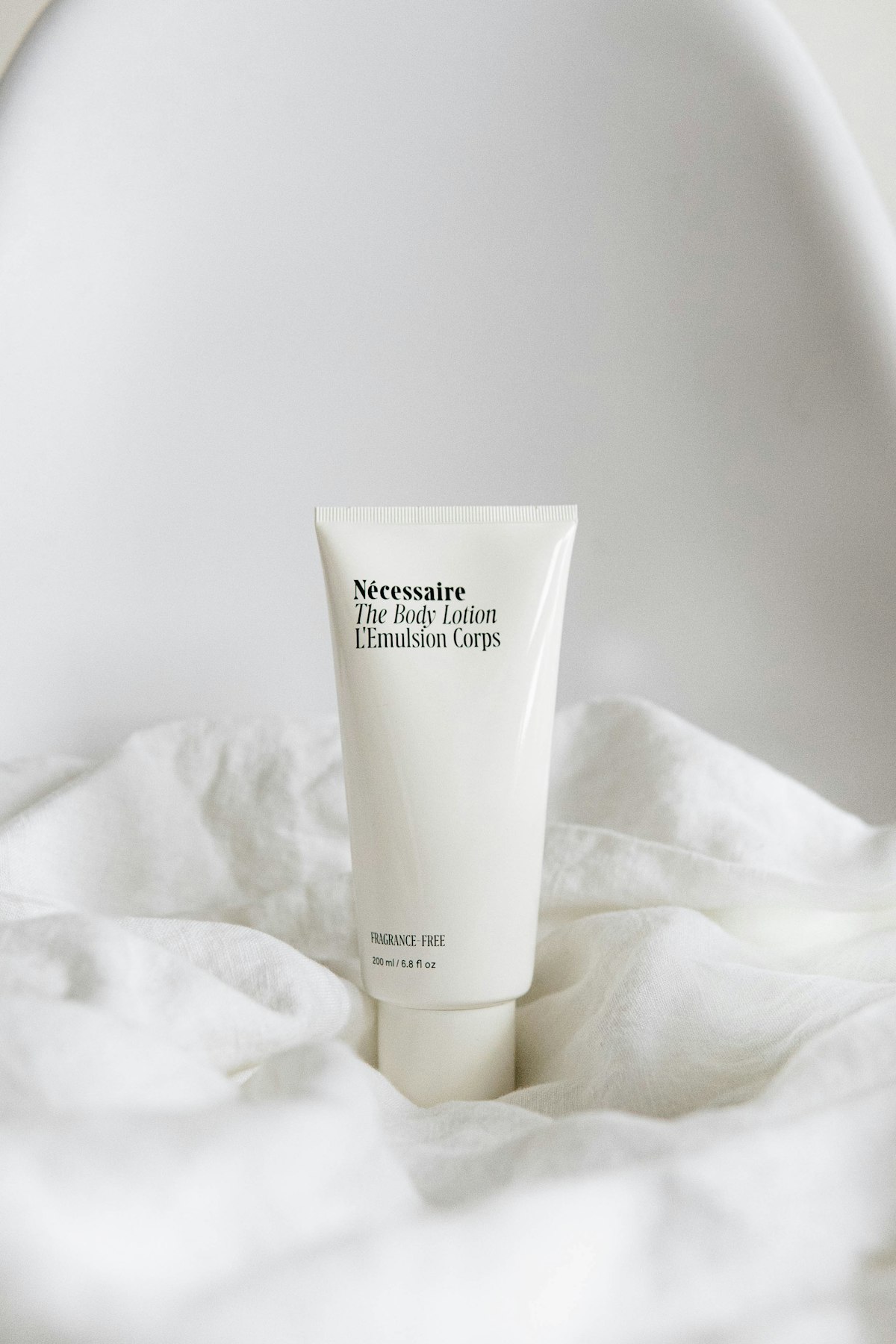
Sealing the Barrier with Ceramides
To finish your evening routine, use a thick night cream infused with ceramides. Ceramides are fatty acids that help maintain the skin barrier and lock in moisture. Since mature skin loses its ability to retain water overnight (transepidermal water loss), a rich occlusive layer ensures you wake up with soft, supple skin rather than feeling tight and dry.
Target Treatments: Eyes, Lips, and Dark Spots
The skin around the eyes is the thinnest on the body and lacks oil glands, making it the first place to show crow’s feet and sagging. An eye cream with caffeine can help with morning puffiness, while one with peptides or growth factors is better for long-term firming. For the lips, which tend to thin and develop vertical lines, look for treatments containing hyaluronic acid or specialized lip oils to maintain volume and hydration.
Hyperpigmentation, often called age spots or liver spots, is another common concern for women over 50. These are the result of years of cumulative sun exposure. To fade these marks, look for targeted treatments containing niacinamide, kojic acid, or tranexamic acid. These ingredients help regulate melanin production without the harshness of traditional bleaching agents, leading to a more even skin tone.
The Importance of Gentle Exfoliation
Because cell turnover slows down with age, exfoliation is vital to keep the skin looking bright. However, mature skin is thinner and more easily irritated, so physical scrubs with jagged particles should be avoided. Instead, opt for chemical exfoliants like Alpha Hydroxy Acids (AHAs). Glycolic acid is excellent for deep penetration, while Lactic Acid is a gentler option that also acts as a humectant, drawing moisture into the skin.
Aim to exfoliate 2-3 times per week. Over-exfoliating can damage the skin barrier, leading to redness and increased sensitivity. When done correctly, exfoliation allows your expensive serums and moisturizers to penetrate more deeply, ensuring you get the maximum benefit from every product in your arsenal.
Lifestyle Factors That Support Your Skincare
No topical product can work to its full potential if it isn’t supported by a healthy lifestyle. Hydration from within is paramount; drinking at least eight glasses of water a day helps maintain skin elasticity. Furthermore, a diet rich in Omega-3 fatty acids (found in salmon and walnuts) and antioxidants (found in berries and leafy greens) provides the nutritional foundation your skin needs to repair itself.
Sleep is another critical factor. During deep sleep, the body produces growth hormones that aid in cell and tissue repair. Lack of sleep increases cortisol levels, which can break down collagen. Aim for 7-9 hours of quality rest, and consider using a silk pillowcase to reduce friction on the skin, which can prevent the formation of ‘sleep lines’ that eventually become permanent wrinkles.
| Ingredient Category | Primary Benefit | Best Time to Use |
|---|---|---|
| Retinoids | Increases collagen & cell turnover | Evening |
| Vitamin C | Brightens & protects from damage | Morning |
| Hyaluronic Acid | Deeply hydrates and plumps skin | Morning & Evening |
| Peptides | Firms and strengthens skin | Evening |
| Ceramides | Repairs the moisture barrier | Evening |
| SPF 30+ | Prevents wrinkles & sun spots | Morning |
Recommended Products
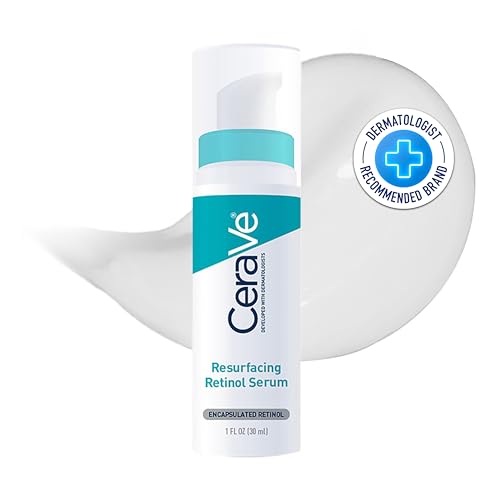
Encapsulated Retinol Serum
Scientifically formulated slow-release vitamin A derivative designed for mature, sensitive skin to minimize irritation while accelerating cellular renewal.
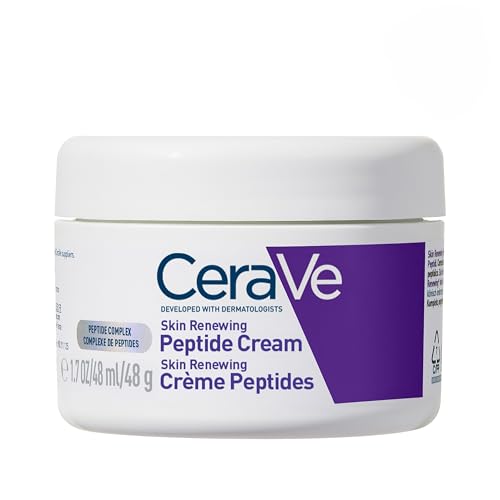
Retinol & Hyaluronic Acid Complex
Combines multi-molecular hyaluronic acid with restorative ceramides and active retinoids to hydrate deep layers while supporting collagen synthesis.
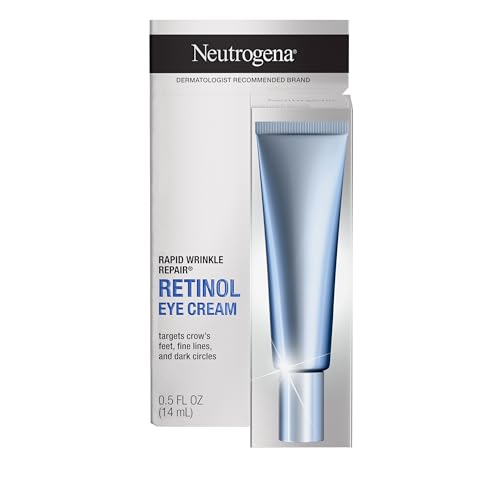
Gentle Daily Retinol for Women Over 50
Targeted anti-aging peptide and lipid-replenishing treatment calibrated specifically for hormonal and menopausal skin density loss.
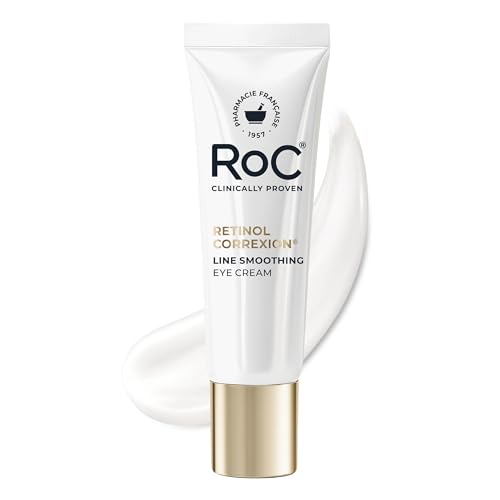
Firming Retinol Eye Cream
Caffeine and micro-peptide enriched formula that diminishes the appearance of crow’s feet and morning puffiness around fragile eye contours.
Watch: Best Affordable Skincare Routine Over 50
Conclusion
Caring for your skin after 50 is an investment in your long-term confidence and health. By focusing on a routine that emphasizes hydration, protection, and repair, you can effectively manage the changes brought on by time and hormones. Remember that consistency is more important than the price tag of any single product. It takes roughly 12 weeks to see significant changes from ingredients like retinol, so be patient and stay the course.
Ready to elevate your regimen? Start by introducing one new active ingredient at a time to see how your skin responds. Your 50s are a time of incredible transformation—ensure your skincare routine is working just as hard as you are to keep you looking and feeling your best. Explore the latest in high-performance mature skincare and find the perfect match for your unique needs today.
FAQ
Is it too late to start an anti-aging routine at 50?
Absolutely not. While much of skincare is preventative, many active ingredients like retinoids and peptides are restorative. Starting a targeted routine in your 50s can significantly improve skin texture, increase hydration levels, and even out skin tone. The skin remains a living, regenerating organ that responds to the nutrients and protection you provide at any age.
Which is better for wrinkles: Retinol or Hyaluronic Acid?
They serve different purposes. Hyaluronic acid provides immediate results by plumping the skin with moisture, which makes fine lines look less visible instantly. Retinol, however, is a long-term solution that actually changes the structure of the skin by boosting collagen production. For the best results, women over 50 should use both: Hyaluronic acid for hydration and Retinol for structural repair.
How often should I exfoliate mature skin?
For women over 50, exfoliation should be limited to 2 or 3 times per week. Because mature skin is thinner and the barrier is more fragile, over-exfoliating can cause micro-tears and chronic inflammation. Using a gentle chemical exfoliant like lactic acid is usually preferable to harsh physical scrubs, providing a glow without the risk of irritation.
Why does my skin feel so dry despite using moisturizer?
This is often due to a compromised skin barrier or the loss of natural oils during menopause. If a standard lotion isn’t working, you likely need a cream rich in ceramides and fatty acids to ‘seal’ the moisture in. Additionally, applying your moisturizer to slightly damp skin can help lock in extra hydration before it evaporates.
Can skincare products really firm sagging skin?
Topical products have limits; they cannot replicate the results of a facelift. However, ingredients like peptides and certain retinoids can improve skin density and elasticity, which provides a visible ‘lifted’ and firmer appearance. Combined with consistent sun protection to prevent further elastin breakdown, you can achieve a much more toned look over time.
Do I really need a separate neck cream?
While many high-quality face moisturizers work well on the neck, the skin on the neck is thinner and has fewer oil glands than the face. Specialized neck creams often contain higher concentrations of firming ingredients or different textures designed to stay put on the neck area. If you don’t use a separate cream, ensure you are at least bringing your face serums and SPF down to your chest.