Disclosure: As an Amazon Associate, we may earn a commission from qualifying purchases made through links on this page. This never affects our recommendations.
1. Master the Art of Decluttering First
Before you spend a single dollar on storage bins or shelving, you must address the inventory. Decluttering is the ultimate budget-friendly hack because it costs nothing. Start by removing items that don’t belong in the living room—excess toys, mail piles, and out-of-season decor.
A small living room feels even smaller when surfaces are crowded. Adopt the “one in, one out” rule: for every new item you bring into the space, one must leave. This prevents the slow creep of clutter that often plagues small apartments. Focus on keeping only items that add value to your daily life or bring genuine joy to the environment.
2. Utilize Vertical Space for Storage
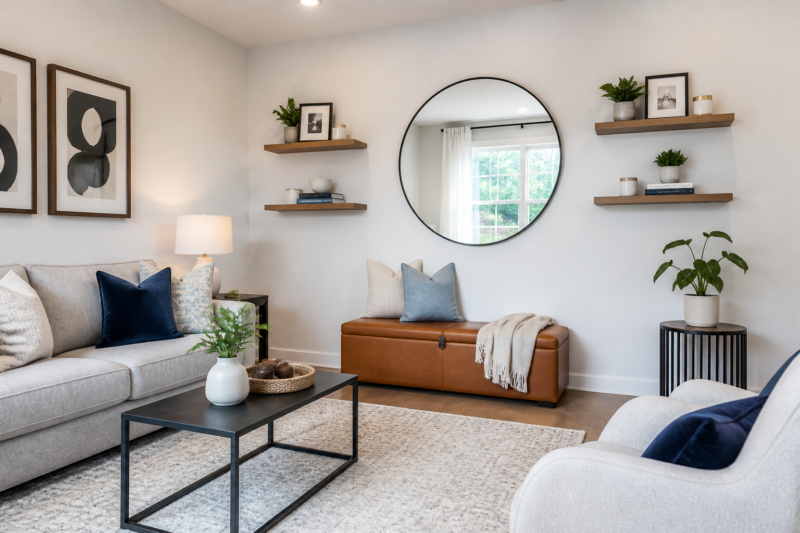
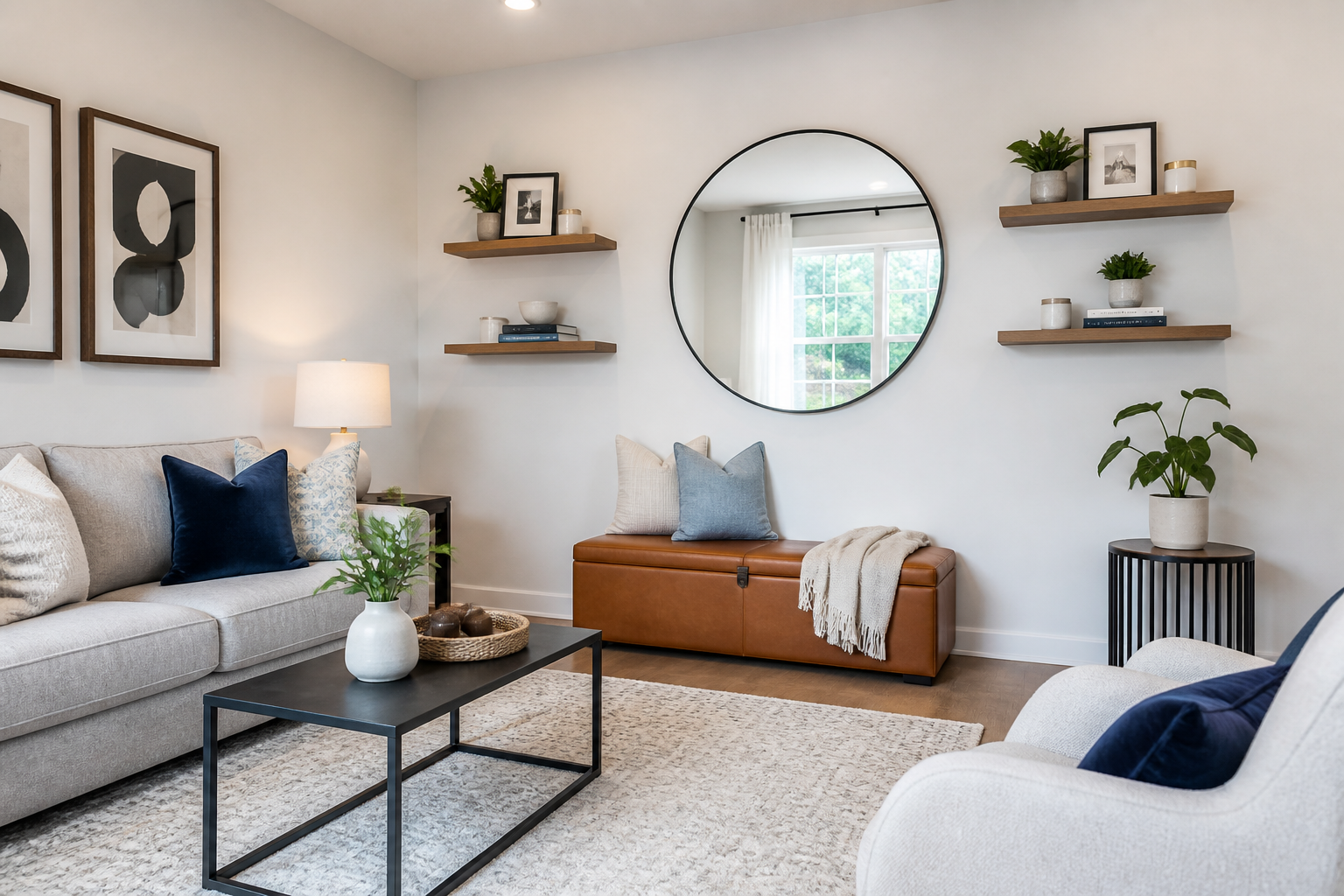
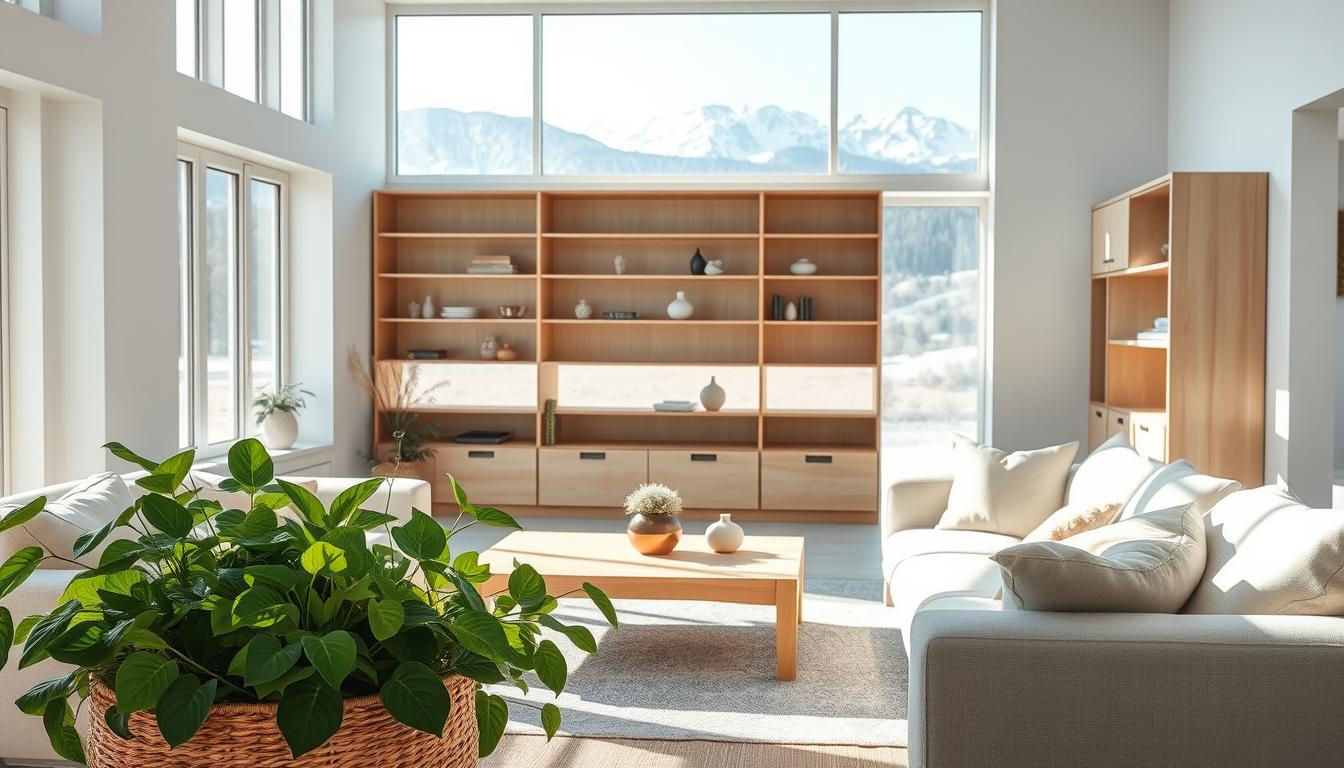
When floor space is limited, look up. Walls are often underutilized in living room design. Installing floating shelves or tall, narrow bookcases can significantly increase your storage capacity without encroaching on your walking paths.
Vertical storage draws the eye upward, making the ceiling appear higher. Consider using wall-mounted organizers for remote controls, magazines, or even indoor plants. By keeping items off the floor, you create a sense of “breathability” in the room layout. This strategy is particularly effective for book lovers who want to display their collection without needing a massive, floor-consuming library.
3. Invest in Multi-Functional Furniture
One of the best ways to organize a small living room on a budget is to choose furniture that works double duty. Instead of a standard coffee table, look for a storage ottoman. These pieces provide a surface for trays, extra seating for guests, and a hidden compartment for blankets or board games.
Nesting tables are another excellent choice. They can be tucked away when not in use and pulled out when you have company. Look for pieces with slim profiles and exposed legs; seeing the floor underneath the furniture tricks the brain into thinking the room is larger than it actually is.
4. Create Zones with Rugs and Lighting
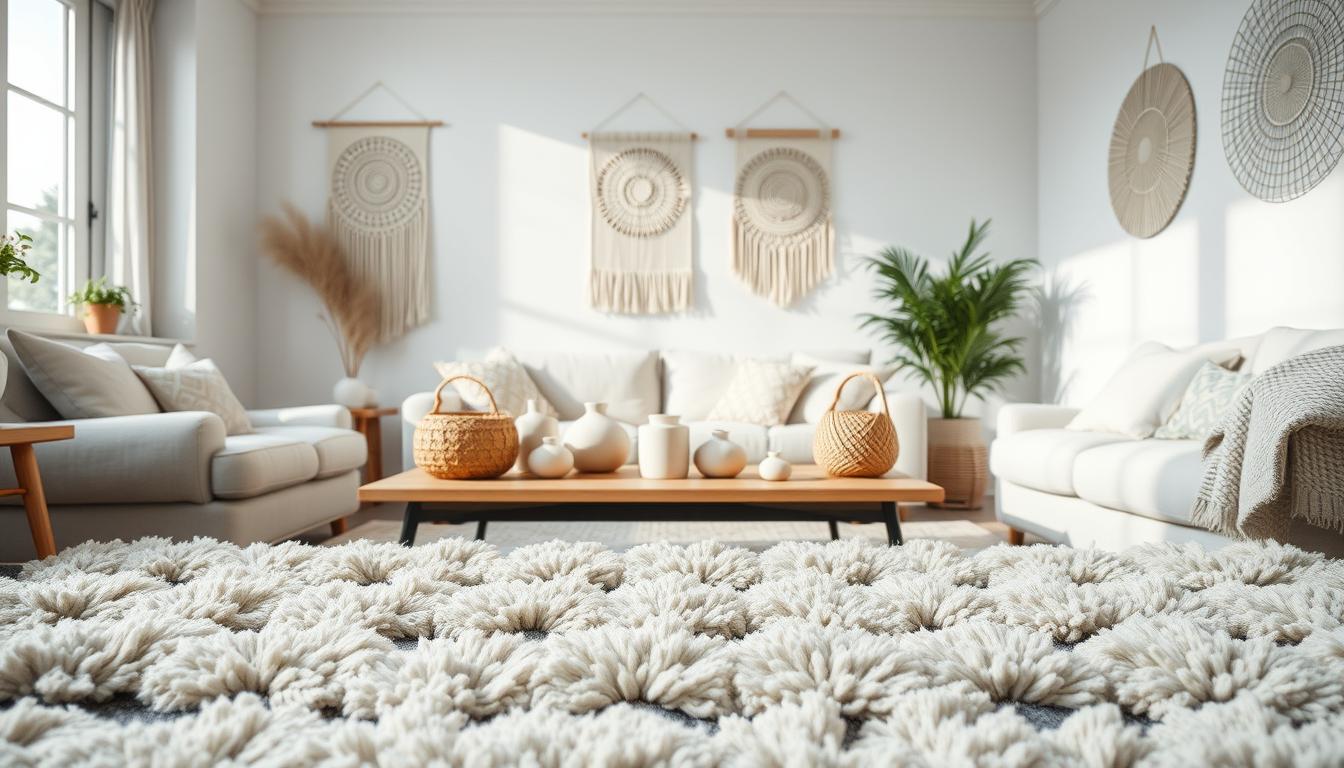
In an open-concept or small living area, boundaries can become blurred, leading to a messy appearance. Defining specific “zones” helps maintain order. Use a budget-friendly area rug to anchor the seating section. This visually separates the “relaxing zone” from the “entryway” or “dining zone.”
Lighting also plays a role in organization. Use floor lamps to illuminate dark corners, which can often become magnets for clutter. A well-lit room feels more expansive and organized, as shadows tend to hide messes and make spaces feel claustrophobic.
5. The Power of Transparent and Reflective Surfaces
To make a small room feel organized and airy, incorporate glass or acrylic elements. A glass-top coffee table or acrylic “ghost” chairs provide functionality without adding visual weight. Because you can see through them, the room remains visually open.
Similarly, hanging a large mirror opposite a window reflects light and the view, effectively “doubling” the perception of space. This is a classic designer trick that works wonders for budget living room organization by making the environment feel less congested.
6. Maximize Hidden Storage Opportunities
Look for the “hidden” spots in your room. The space under the sofa can house slim rolling bins for gift wrap or seasonal items. The area behind the sofa, if pulled slightly away from the wall, can accommodate a thin console table for extra lighting and hidden baskets below.
Using uniform baskets or bins inside open shelving is another pro tip. It allows you to store mismatched items—like charging cables and game controllers—while maintaining a clean, cohesive look on the outside. Choose natural materials like wicker or seagrass to add texture without spending a fortune.
7. Optimize Window Sills and Corners
Corners are frequently wasted space. A small corner shelving unit or a triangular desk can turn a dead zone into a functional workstation or display area. Even window sills can serve as a narrow shelf for small plants or a curated selection of books, provided they don’t block the natural light.
8. Use Cable Management to Reduce Visual Noise
Nothing makes a room look disorganized faster than a “spaghetti mess” of wires behind the TV or near outlets. Affordable cable management boxes or simple velcro ties can hide these eyesores. By streamlining your electronics, the entire room instantly looks more polished and professionally organized.
9. Rotate Decor Seasonally
Instead of displaying every knick-knack you own, try a seasonal rotation. Keep a small “decor box” in a closet and swap out pillows, candles, and small ornaments every few months. This keeps the living room fresh and prevents the “cluttered shelf” syndrome that happens when we try to display too many memories at once.
10. Implement a 5-Minute Evening Reset
Organization is a habit, not just a one-time project. Dedicate five minutes every evening to a “reset.” Fluff the pillows, fold the throw blanket, and put the remotes back in their designated spot. This daily maintenance ensures that your small living room stays organized and ready for the next day.
| Storage Type | Best For | Budget Level | Space Impact |
|---|---|---|---|
| Floating Shelves | Books & Decor | Low | Minimal |
| Storage Ottoman | Blankets & Toys | Medium | Multi-functional |
| Corner Shelving | Dead Zones | Low | Fills Gaps |
| Under-Sofa Bins | Seasonal Items | Low | Zero Floor Impact |
| Media Console | Electronics | Medium | High Storage |
Recommended Products

storage ottoman for living room
Provides hidden storage and extra seating without taking up extra space.

wall mounted floating shelves
Maximizes vertical space for books and decor without floor encroachment.


decorative storage baskets for shelves
Uniform baskets hide clutter on open shelving for a cleaner look.
Watch: Budget Friendly Living Room Organization and Storage Ideas
Conclusion
Organizing a small living room on a budget requires a mix of creativity and discipline. By focusing on vertical storage, multi-functional furniture, and consistent decluttering, you can create a space that feels both spacious and cozy. Remember, the goal is to make your home work for you, not the other way around. Start with one tip today and watch your living area transform.
FAQ
How can I organize a small living room with no closet?
If your living room lacks a closet, you must rely on furniture with built-in storage. Look for “storage-first” pieces like lift-top coffee tables or armoires that can act as a freestanding closet. Using decorative baskets on open shelving can also hide items that would normally be tucked away in a closet, maintaining a clean aesthetic while keeping essentials accessible.
What is the best furniture for a tiny living room?
Scale is everything in a tiny room. Opt for furniture with “legs” (mid-century modern style) rather than blocky pieces that sit flat on the floor. Multi-functional items like sofa beds, nesting tables, and wall-mounted desks are ideal. These pieces provide high utility without the heavy visual footprint of traditional living room sets.
How do I make my small living room look less cluttered?
To reduce visual clutter, stick to a limited color palette and use uniform storage containers. When everything is the same color or texture, the eye perceives it as one unit rather than many small pieces. Additionally, keep your “high-traffic” surfaces like coffee tables 75% empty to create a sense of calm and order.
Are floating shelves good for small rooms?
Yes, floating shelves are excellent for small rooms because they provide storage and display space without taking up any floor area. They keep the room feeling open and airy. However, be careful not to over-crowd them, as too many items on a wall can make the room feel top-heavy and cramped.
How can I hide my TV wires on a budget?
Cable management sleeves or plastic cord covers are very affordable and can be painted to match your wall color. For an even cheaper DIY fix, use binder clips or velcro strips to bundle wires together and run them down the back of a furniture leg to hide them from view.
Does a large rug make a small room look bigger?
Counter-intuitively, yes. A rug that is too small can make a room feel choppy and disjointed. A larger rug that fits under all the main pieces of furniture (sofa, chairs, coffee table) helps to unify the space and gives the illusion of a larger floor area, making the room feel more organized.